BETTER-TMD Reaches Major Milestone with Clinical Activation and Launch of Participant Recruitment
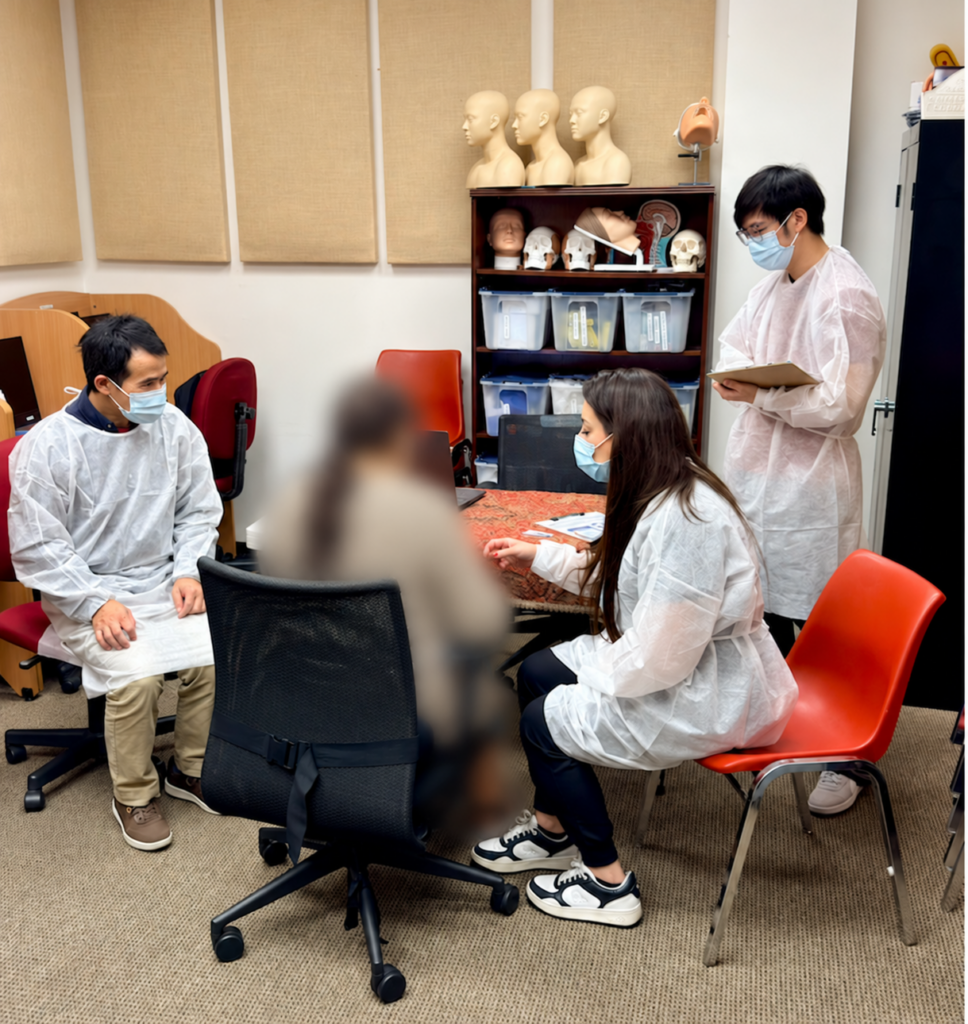
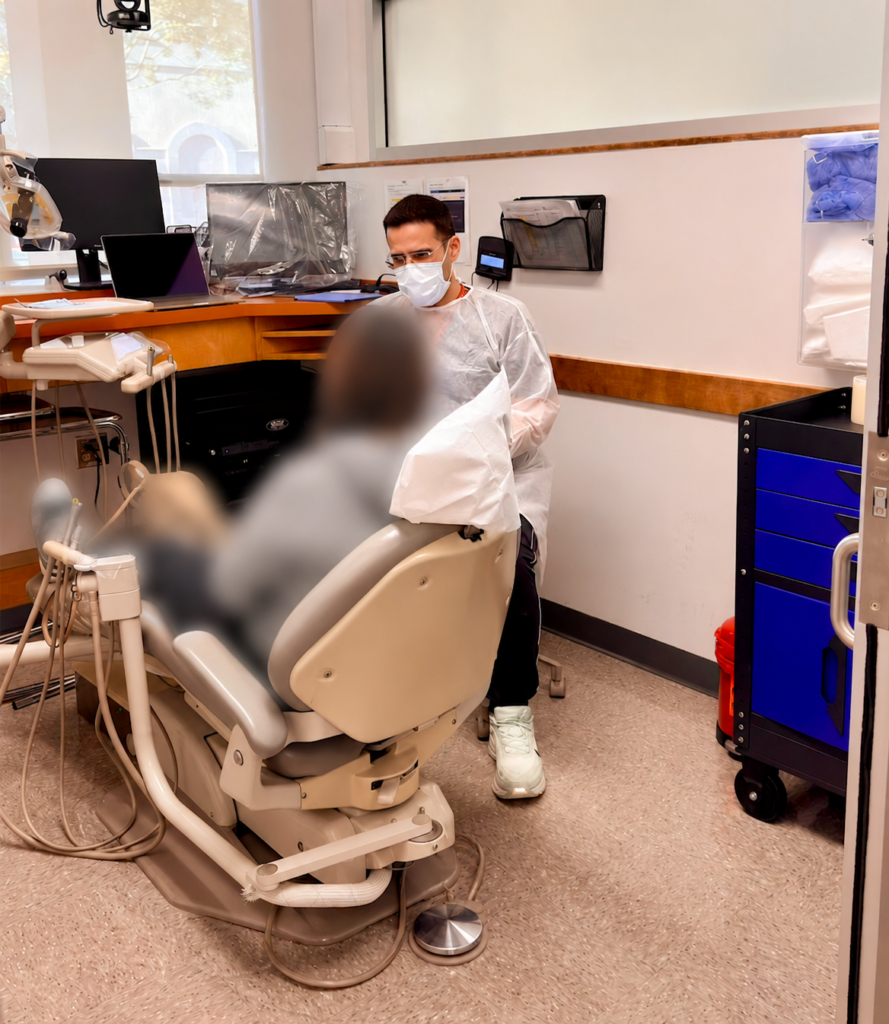
On October 2, 2026, the BETTER-TMD research program reached an important milestone with the clinical activation of the study and the initiation of participant recruitment following completion of the required NIDCR/NIH approvals.
BETTER-TMD is part of the national TMD IMPACT Collaborative, a coordinated research effort supported by the National Institute of Dental and Craniofacial Research (NIDCR). The program is focused on improving our understanding of temporomandibular disorders (TMD), jaw and facial pain, and the factors that may contribute to differences in patients’ symptoms and pain experiences.
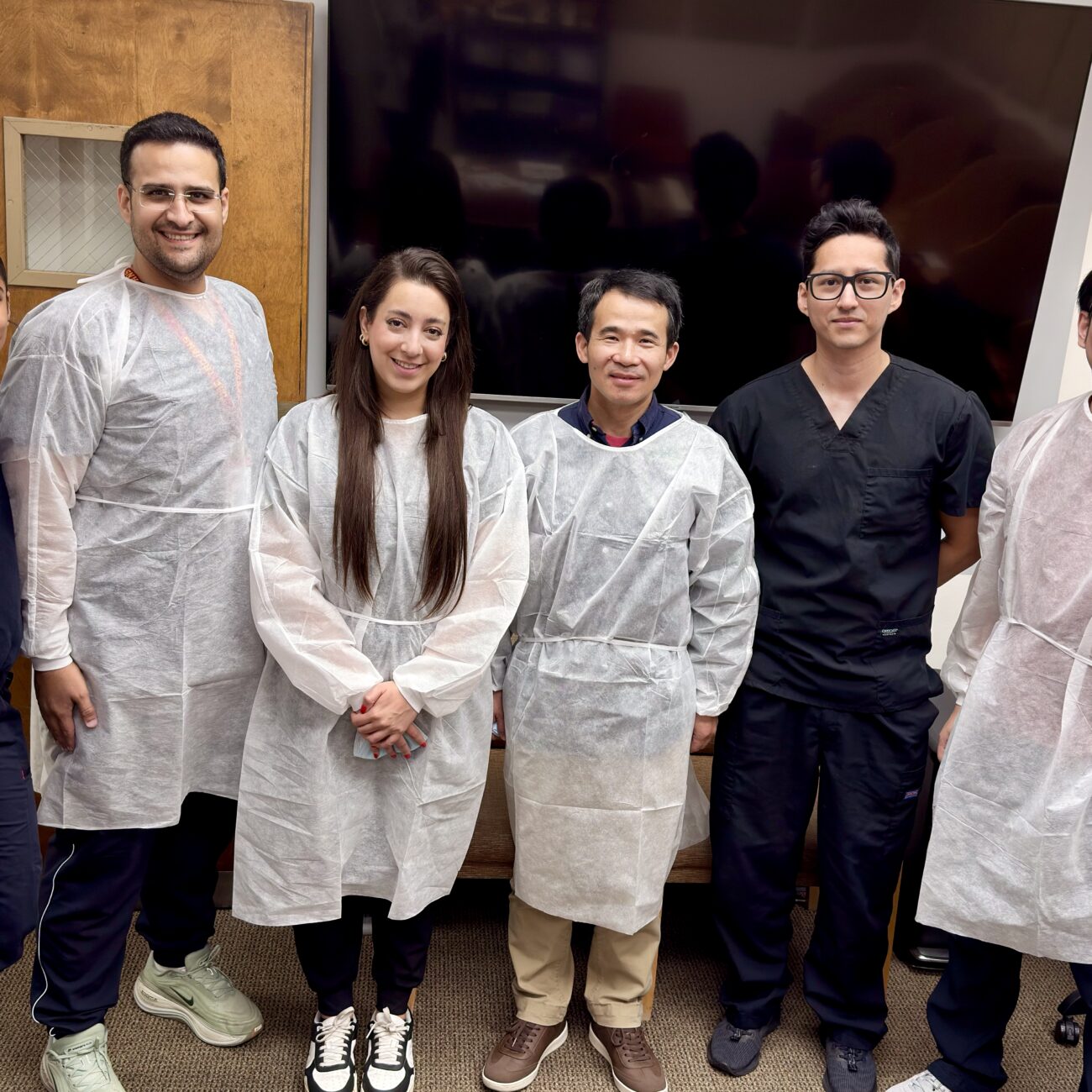
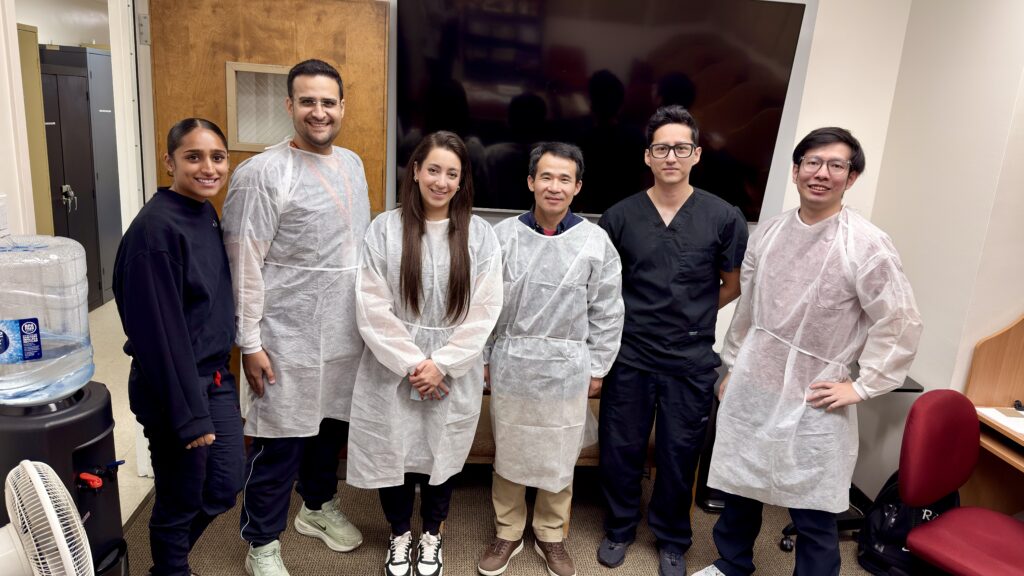
Clinical activation marked the transition from extensive scientific, regulatory, and operational preparation for participant-facing research in the clinical setting. Members of the BETTER-TMD research team and study leadership, including Dr. Jianfu Chen, Contact Principal Investigator, were present in the clinic as recruitment and clinical research activities began. The group photo includes members of the team and clinic volunteers; no patients are pictured.
One of the important aspects of BETTER-TMD is its patient-centered and translational approach. TMD and chronic orofacial pain are complex conditions, and patients’ symptoms and functional limitations may not always be fully explained by the clinical findings or objective measures currently available. The study is designed to examine patients’ reported experiences alongside multiple forms of measurable information, including clinical, biological, imaging, physiological, sensory, and other data.
The goal is not to assume that any single measurement can explain an individual’s pain. Rather, by studying these different dimensions together and learning directly from participants, the research aims to contribute to a deeper understanding of TMD and the heterogeneity of patients’ experiences. Over time, knowledge generated through this work may help inform more precise clinical understanding and more patient-centered approaches to care.
Participant involvement is central to this work. Their time, experiences, and willingness to contribute make it possible to investigate questions that cannot be answered through laboratory or clinical measurements alone. The TMJ Association, Ltd. has also supported the program’s efforts to strengthen patient engagement and keep the patient perspective meaningfully integrated throughout the research process.
For our team, clinical activation represents more than the start of recruitment. It is the point at which years of preparation begin to connect directly with the people the research is ultimately intended to serve.